Why Reef-Safe Sunscreen Matters
One of the greatest lessons nature teaches us is that everything is connected.
The rain that nourishes a wildflower eventually flows into streams, rivers, and oceans. The health of coral reefs affects fish populations, coastal ecosystems, and communities around the world. Even the products we use on our skin can have impacts far beyond ourselves.
When we begin to see ourselves as part of nature rather than separate from it, our daily choices take on new meaning. Small actions become opportunities to live more intentionally and in greater harmony with the natural world.
A perfect example is something many of us use every summer: sunscreen.
Protecting our skin from the sun is important. Sunscreen helps keep us healthy by preventing sunburn, premature aging, and skin cancer. Yet research has shown that some commonly used sunscreen ingredients may also affect marine ecosystems when they wash off into the ocean.
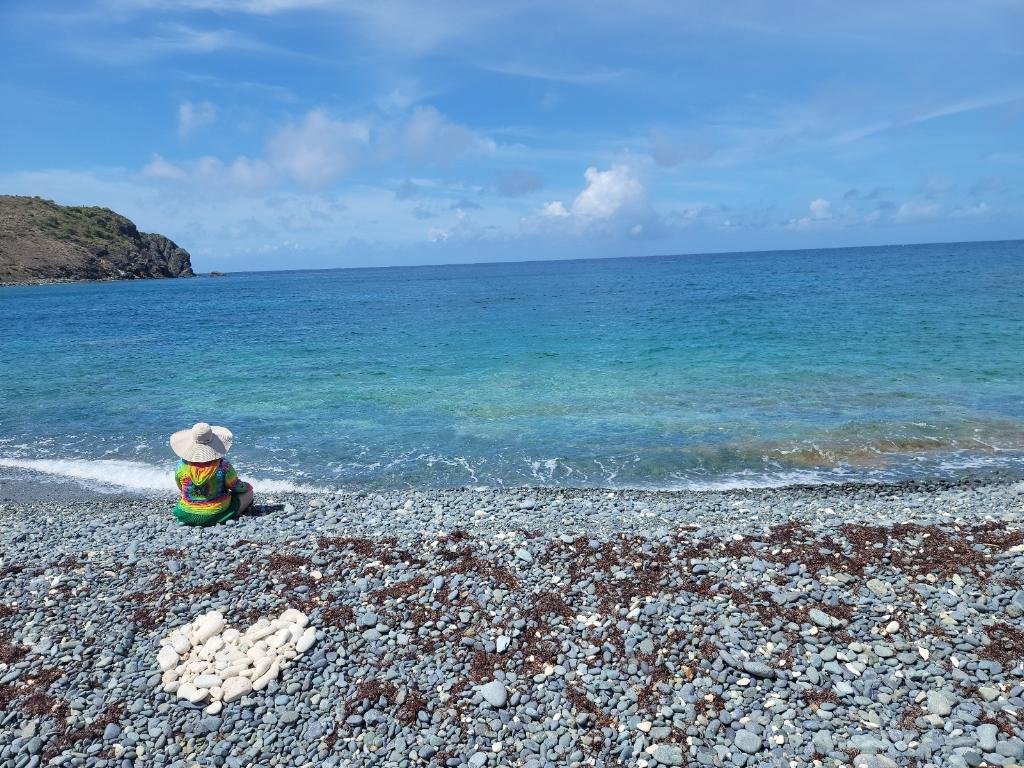
Enjoying the view on my favorite beach in the world: Blue Cobblestone Beach in St. John, USVI
According to a review published by the International Coral Reef Initiative (ICRI), an estimated 4,000 to 6,000 tons of sunscreen enter coral reef areas around the world each year. These chemicals reach coastal waters directly from swimmers and indirectly through wastewater systems.
Researchers have identified certain UV-filtering chemicals, including oxybenzone and octinoxate, in seawater, marine sediments, fish, shellfish, and coral tissue. Studies found that some of these ingredients may contribute to coral bleaching, interfere with coral reproduction and development, and negatively affect other marine organisms.
Coral reefs are often called the rainforests of the sea. They provide habitat for approximately 25% of marine species during some stage of their lives and help protect coastlines from storms and erosion. When coral reefs suffer, the effects ripple throughout entire ecosystems.
Every action creates another one.
The sunscreen we choose may seem insignificant. You may be looking for the best deal or a trusted brand, yet when multiplied by millions of beachgoers around the world, those individual choices become part of a much larger story. A story about how we interact with the living world around us.

Sandbridge Beach, Virginia
This isn't about guilt or perfection. Living in harmony with nature is not about getting everything right. It is about awareness. It is about recognizing that our choices matter and striving to make decisions that support the health and well-being of both people and the planet. It’s about taking small steps toward a better future.
This perspective beautifully reflects the wisdom of Dr. Jane Goodall:
"Every day you live, you make some impact on the world,
and you can choose what sort of impact you make."
What a powerful reminder.
Each day presents countless opportunities to choose what kind of impact we want to have. The food we eat, the products we purchase, the resources we consume, and even the sunscreen we pack in our beach bag all contribute to the legacy we leave behind.
The choices we make today often extend far beyond the present moment. Their effects may be felt years—or even generations—from now.
Fortunately, small changes can make a meaningful difference.
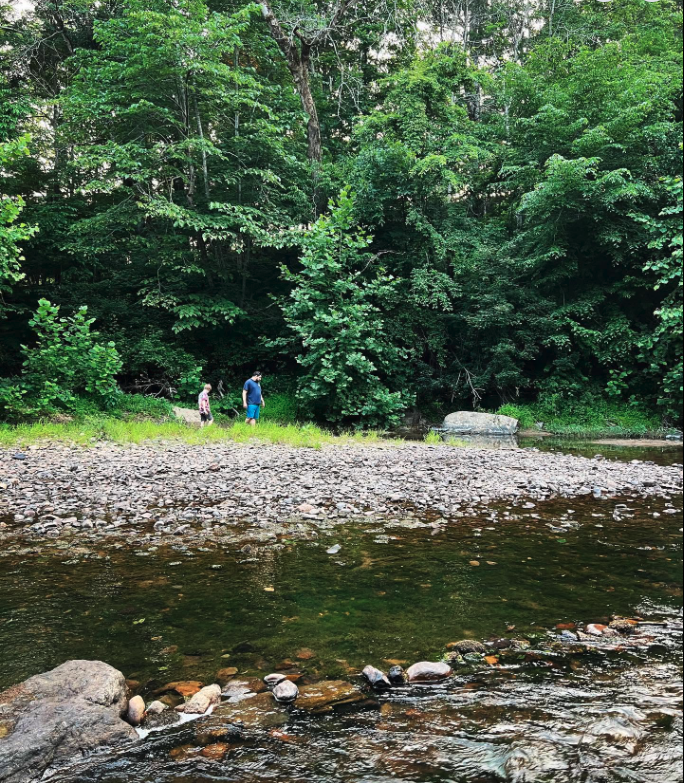
Live Streaming
While this creek may be in Central Virginia, that water will eventually make it to the Chesapeake Bay and then the Atlantic Ocean. What watershed do you live in?
If you're planing to spend time at a lake or a beach this summer, consider ways to protect both yourself and the ocean:
• Choose a reef-safe sunscreen that avoids ingredients such as oxybenzone and octinoxate.
• Consider mineral-based sunscreens that use non-nano zinc oxide as an active ingredient.
• Wear SPF-rated clothing, wide-brimmed hats, and sun-protective swimwear to reduce the amount of sunscreen needed.
• Seek shade during peak sunlight hours whenever possible.
• Support companies that prioritize environmentally responsible ingredients and practices.
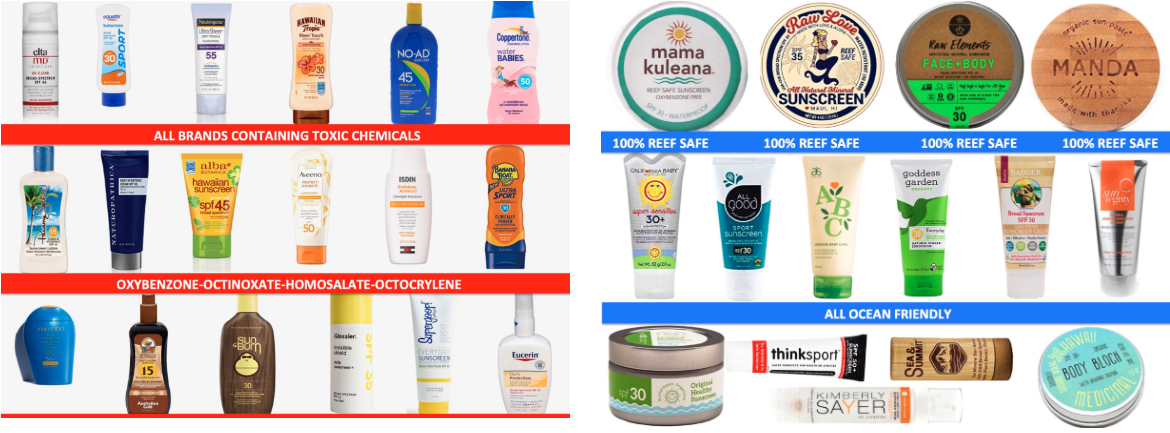
Image credit: https://savethereef.org/
Most importantly, remember that caring for nature begins with recognizing our relationship to it.
The ocean is not separate from us. The coral reefs are not separate from us. The wildlife that depends upon healthy ecosystems is not separate from us.
We are all connected.
When we live with that understanding, even the smallest choices become acts of stewardship.
This summer, as you enjoy the beauty of the water, consider how your actions can help preserve that beauty for future generations. Protect your skin. Protect the ocean. And remember that every choice creates a ripple.
Let's make ours one that nurtures life.
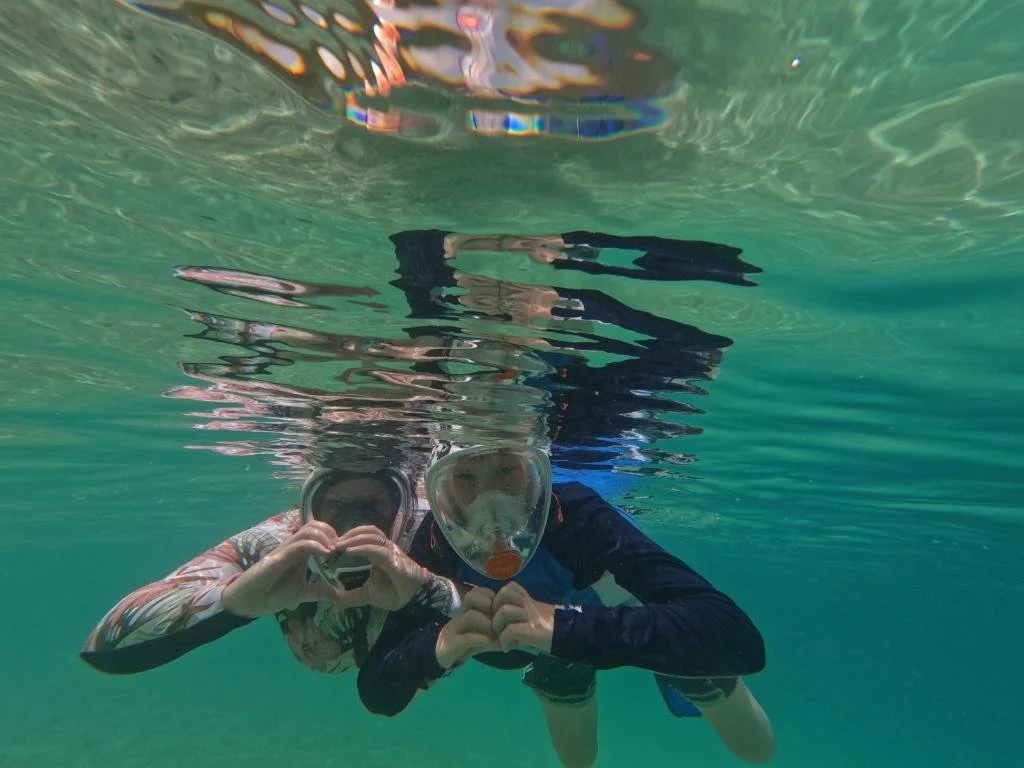
My son and I snorkeling in St. John, USVI