The Dirt on Healthy Soil
Everything we grow relies on our soil’s health. A LOT goes into building healthy soil, but as we prepare for autumn planting here at Giardino Foresta, I wanted to share a little more about what happens beneath our feet, why we do what we do, and why caring for the soil is one of the most important parts of growing anything well.
Are you ready to get the dirt on soil?
Let’s dig in.
Soil Is More Than Dirt
In my previous post, The Magical World Beneath Your Feet, I talked about soil health on a smaller, home-garden scale and some simple things you can do to care for the living ecosystem beneath your garden.
Here at Giardino Foresta, we do things on a slightly larger scale. Our growing space is about a quarter of an acre, and every season gives us another opportunity to learn how to work with the land rather than simply take from it.
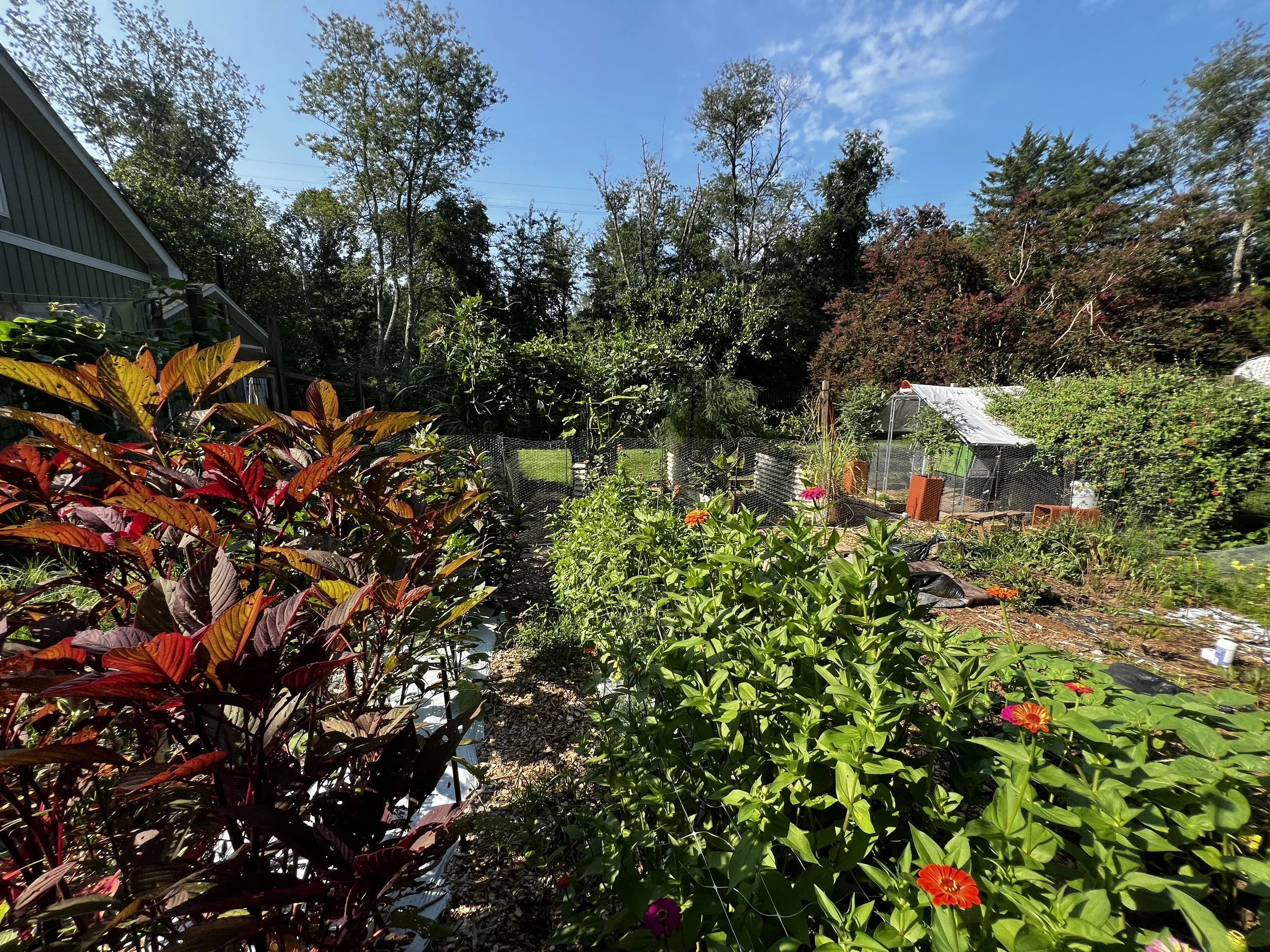
Because healthy soil isn't simply a medium for holding plant roots. It is a living ecosystem.
Beneath the surface is a remarkable community of bacteria, fungi, insects, worms, and other organisms constantly breaking down organic matter, cycling nutrients, building soil structure, and interacting with plant roots. Mycorrhizal fungi, for example, form relationships with many plants and can extend far beyond the reach of a plant's own roots, helping plants access water and nutrients while receiving carbohydrates from the plant in return.
The more I learn about soil, the more I think of it as a community. And just like any community, it needs to be cared for.
Feeding the Soil, Not Just the Plants
One of the biggest shifts in my own thinking as a grower has been learning to focus less on feeding individual plants and more on building the health of the soil as a whole. That means adding organic matter, protecting the soil surface, encouraging biodiversity, and giving the organisms living underground the conditions they need to thrive. At Giardino Foresta, autumn is an especially important time for this work.
We incorporate compost into our growing beds, cover the soil with mulched leaves, and allow our annual beds to rest through the winter. Our compost is sourced locally from Panorama Pay Dirt, and we also use llama manure from Lower Sherwood Farms.
These additions aren't just about supplying nutrients for next year's plants. Organic matter helps improve soil structure, water-holding capacity, and the biological activity that makes nutrients available to plants over time. In other words, we're not trying to buy fertility. We're trying to build it.
Keep the Soil Covered
Nature doesn't leave the ground bare. Walk through a forest and you'll find a blanket of leaves, twigs, fallen branches, fungi, and living plants covering the earth. There is a lesson there. One of the simplest—and most important—principles of soil stewardship is this:
Don't leave your soil naked.
Bare soil is vulnerable to erosion, compaction, temperature extremes, and the loss of organic matter. Rain can wash soil away, while intense sun can dry and heat the surface. The organisms that dwell beneath the surface need damp and darkness to survive. A layer of leaves, mulch, living plants, or crop residue provides protection.
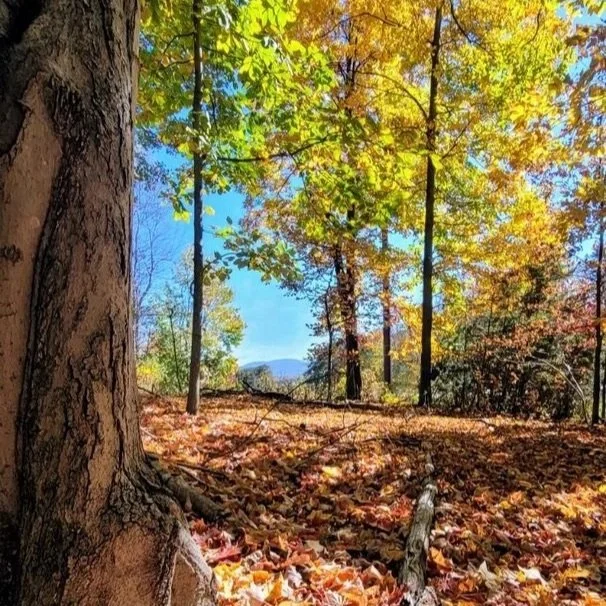
One of my favorite views every Autumn: our view of the Blue Ridge Mountains. Note the forest floor: covered with leaves, sticks, and all sorts of goodness for both wildlife and the soil.
This is one reason I love using mulched leaves in our autumn beds. What might look like garden debris to some people is actually valuable organic matter waiting to return to the soil. You can’t buy quality like that at a store!
As the leaves break down, they become part of the nutrient cycle, feeding soil organisms and eventually contributing to the organic matter that helps make healthy soil possible.
Cover Crops: Keeping Living Roots in the Ground
I've only recently begun delving more deeply into the world of cover crops. This summer, after a particularly challenging period of extreme drought caused some of our starts to fail, I decided to use those empty rows as an opportunity rather than simply leave the soil bare.
Enter the cover crop.
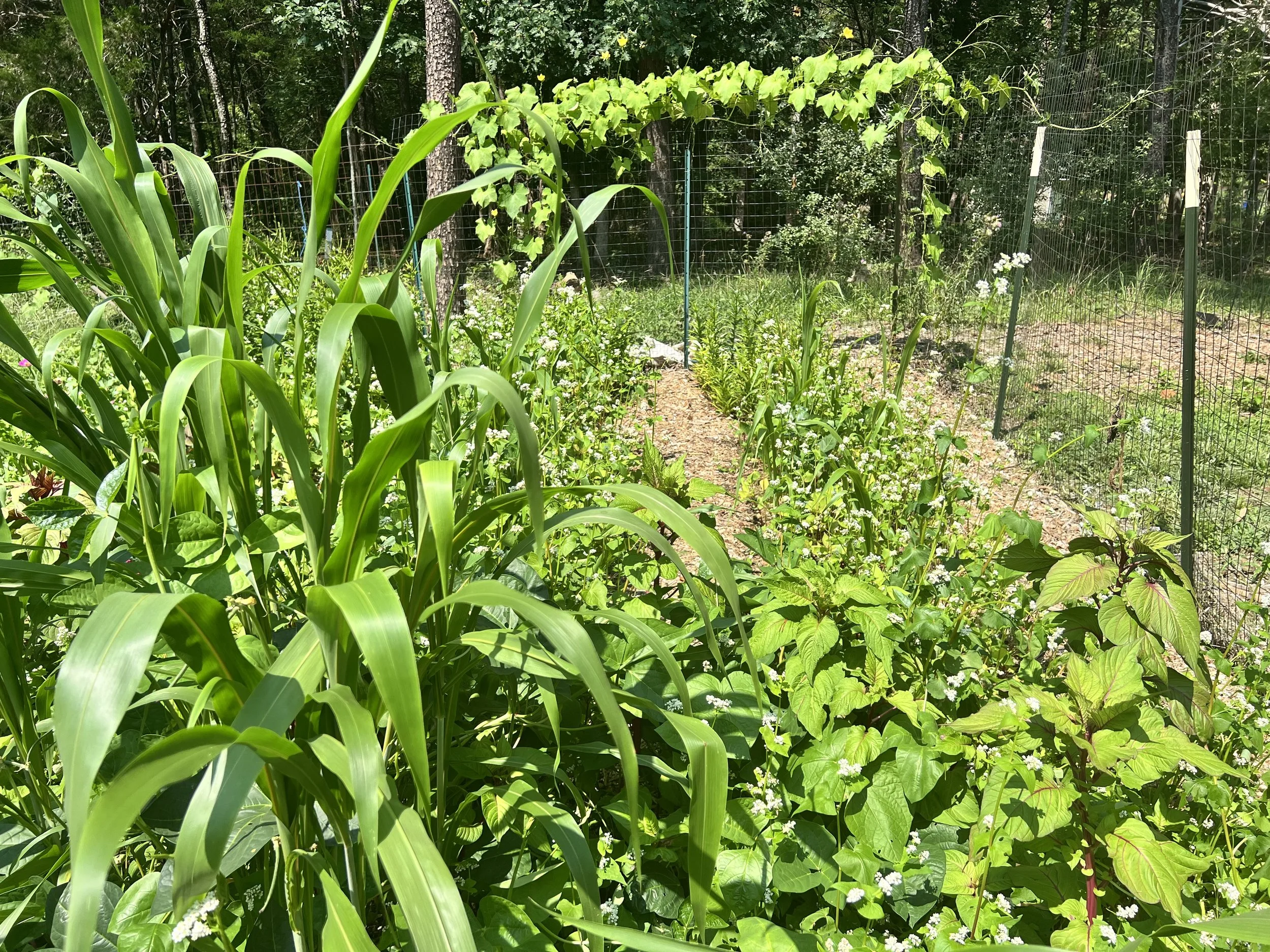
Cover cropped rows, filled with sorghum Sudangrass, buckwheat, cowpeas, soybeans, and oats. The Sudan grass went nuts, along with some celosia that self-sowed itself.
Cover crops are plants grown primarily to benefit the soil rather than for a direct harvest. They can help reduce erosion, add organic matter, suppress weeds, improve soil structure, and provide living roots for the underground community and, with some crops like buckwheat, provide nectar for local pollinators. Those living roots matter so much with soil health.
Plants and soil organisms have an incredibly interconnected relationship. Mycorrhizal fungi, for example, form networks associated with plant roots. Keeping living plants growing in the soil gives these organisms something to interact with and helps maintain biological activity between growing seasons.
Cover crops should be selected based on what your soil needs. What works for me is not necessarily what works for you.
Legumes such as clover can work with nitrogen-fixing bacteria associated with their roots to convert atmospheric nitrogen into forms that plants can use. Other cover crops can contribute significant biomass, help protect against erosion, or improve soil structure. This is where soil testing becomes particularly useful.
Rather than guessing what your soil needs, a soil test can give you a much clearer picture of its nutrient levels and pH. From there, you can make more informed decisions about amendments and cover crops.
The goal with cover crops isn't simply to grow more, though there are cover crops that can be useful in and of themselves. It is to grow in a way that leaves the soil better prepared for what comes next.
The Secret Life of Roots
One idea of regenerative herb farming that has particularly changed the way I think about autumn cleanup is what happens when we leave roots in the ground. Our instinct as gardeners can be to pull everything out at the end of the season. But sometimes, the most beneficial thing we can do is simply cut a plant down and leave its roots where they are.
Those roots become organic matter as they decompose, returning carbon and nutrients to the soil. They also leave behind channels that can improve soil structure and create pathways for water and future roots.
And while the plant aboveground may be finished for the season, the underground ecosystem doesn't necessarily stop working.
Rather than treating the end of the growing season as a complete reset, regenerative growing asks us to think about continuity:
What can remain?
What can return to the soil?
What can we protect rather than disturb?
Those questions can completely change the way we grow.
Less Disturbance, More Life
Another important principle of regenerative agriculture is reducing unnecessary soil disturbance. Traditional tilling can be useful in certain agricultural systems, but frequent or intensive disturbance can disrupt soil structure and fungal networks and expose organic matter to faster decomposition.
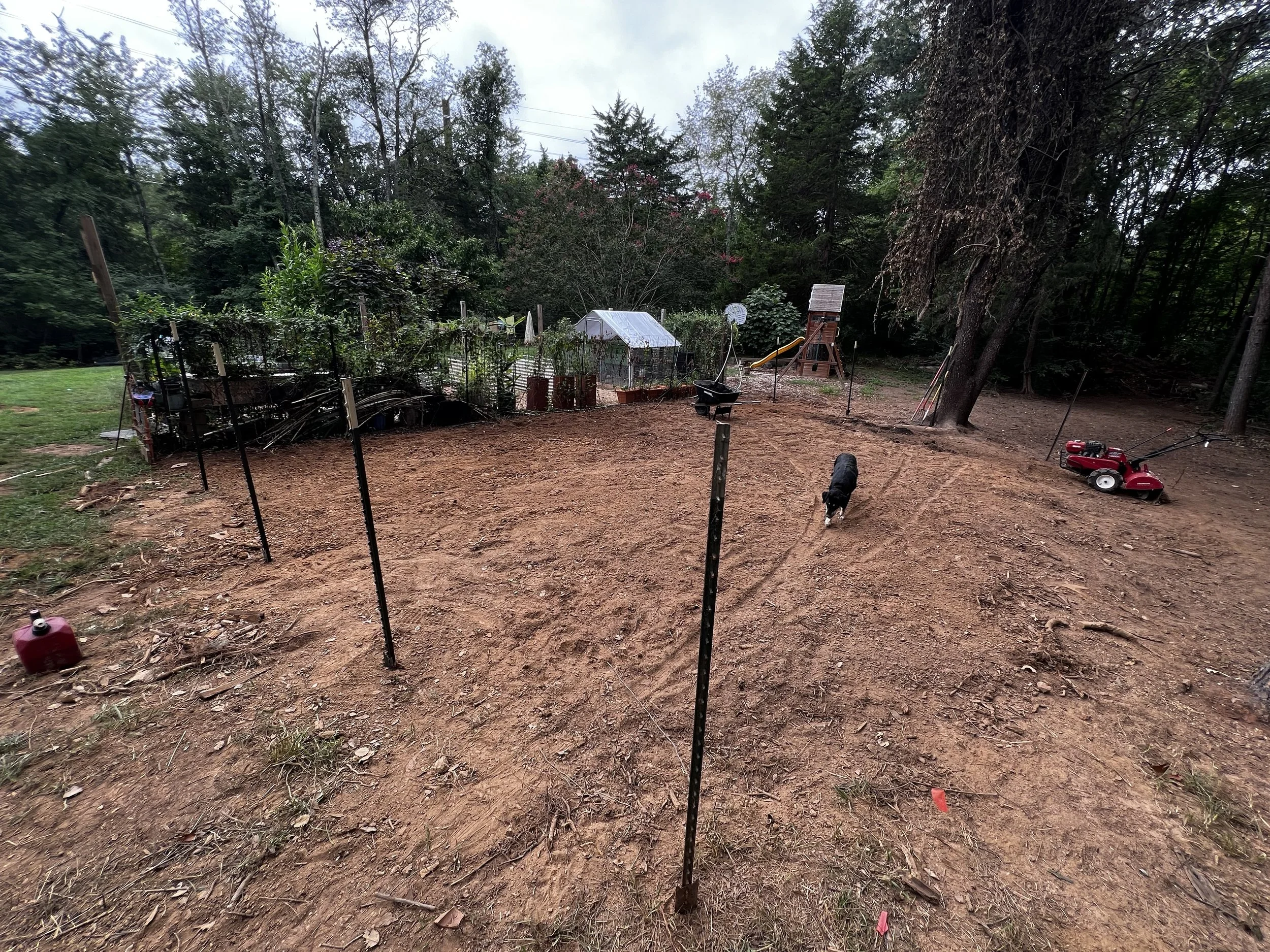
I expanded our planting space a couple years ago. This space had been filled with invasives, so this was a huge improvement! I tilled the soil, mainly to incorporate a literal ton of compost. It hasn’t been tilled since. The only soil disturbance that happens now is to plant starts or saffron corms.
For a small farm like ours, this means thinking carefully before reaching for our tools.
Could we mulch instead?
Could we cut plants at soil level instead of pulling them?
Could we plant into an existing bed rather than turning everything over?
Could we let the organisms already living in the soil do some of the work for us?
Working with nature means doing less. And that’s a beautiful thing!
Regenerative Doesn't Mean Perfect
The word regenerative can sometimes make sustainable farming sound intimidating—as though you need the perfect system, the perfect cover crops, a composting operation, and years of experience before you can begin. I don't believe that's true.
Regenerative growing is less about following a perfect checklist and more about developing a relationship with your land. Start with one thing.
Maybe it's composting your garden waste instead of throwing it away, mulching bare soil, cutting plants down and leaving their roots in the ground.
Or perhaps it's leaving fallen leaves in your garden rather than bagging them and setting them on the curb (more to come on why you should NOT do that next month!). Small decisions accumulate. And over time, those decisions can change the health of the land.
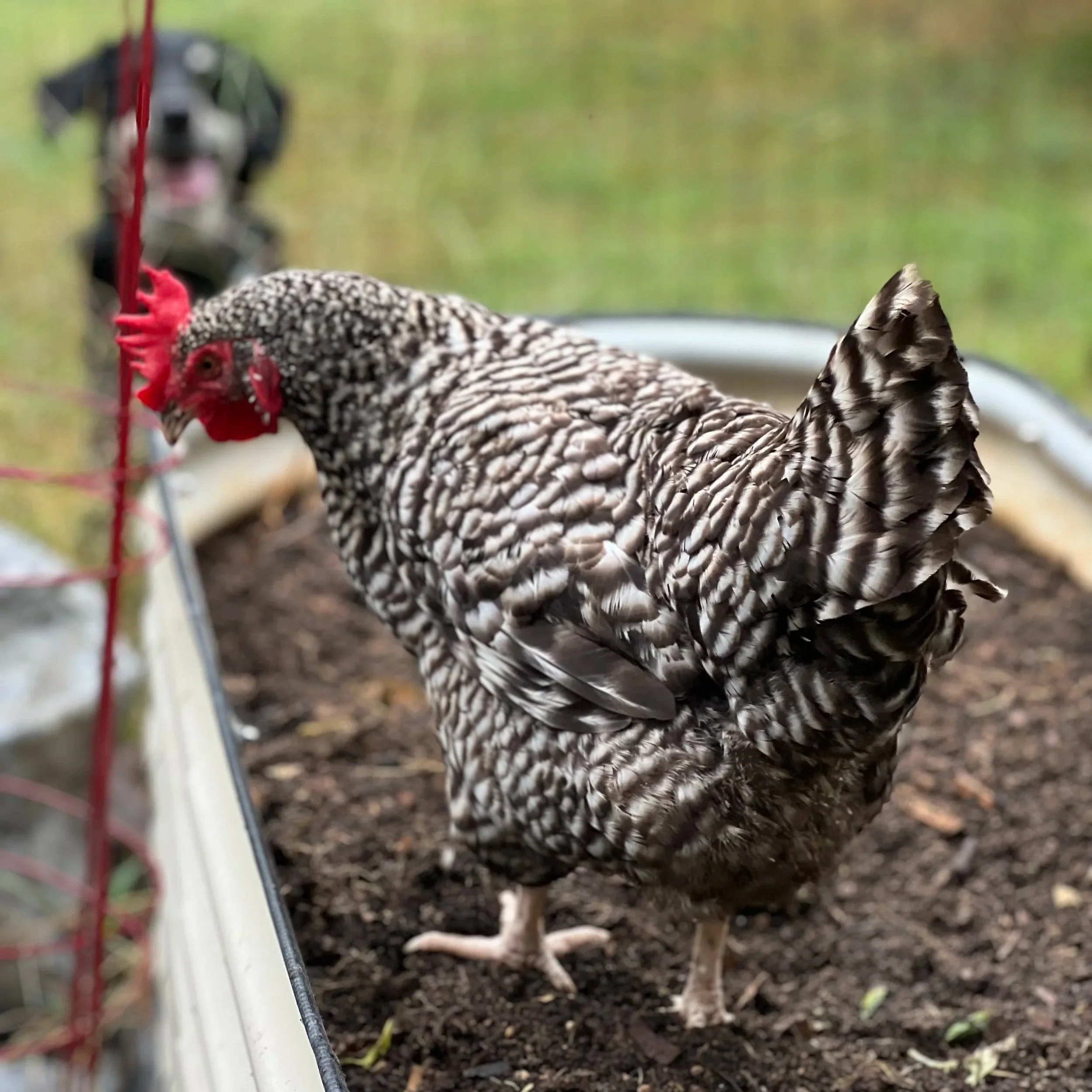
I grow a small veggie garden for my family in raised beds. Our chickens help tremendously in turning over the beds every season!
Healthy Soil Is Built, Not Purchased
Here at Giardino Foresta, our commitment to naturally grown farming means thinking about the long-term health of our land—not simply what will produce the biggest harvest this season.
We are Certified Naturally Grown, and we use organically sourced inputs in our growing practices. But certification is only one part of the story. The bigger story is stewardship.
We want to grow beautiful, healthy herbs and saffron while caring for the ecosystem that makes those plants possible in the first place.
That means composting, cover crops, mulch, protecting the soil from erosion, encouraging biodiversity, and learning when to disturb the soil—and when to leave it alone. And it means accepting that building healthy soil takes time.
Healthy soil is a journey, not a destination.
Every season, we learn a little more. Every year, we return organic matter to the earth, protect the soil, observe what changes, and adjust our practices accordingly. Because ultimately, the herbs aren't the beginning of the story. Even the seeds aren't the beginning. The soil is. And everything else grows from there.
Want to Learn More?
If you'd like to explore the fascinating world beneath your feet, start by observing your own garden. Look closely at the soil. Notice what is growing, what is decomposing, what insects are present, and what happens when you stop trying to make everything perfectly tidy. There is an entire ecosystem waiting to be noticed.
And once you start looking, you may never see "dirt" quite the same way again.